
















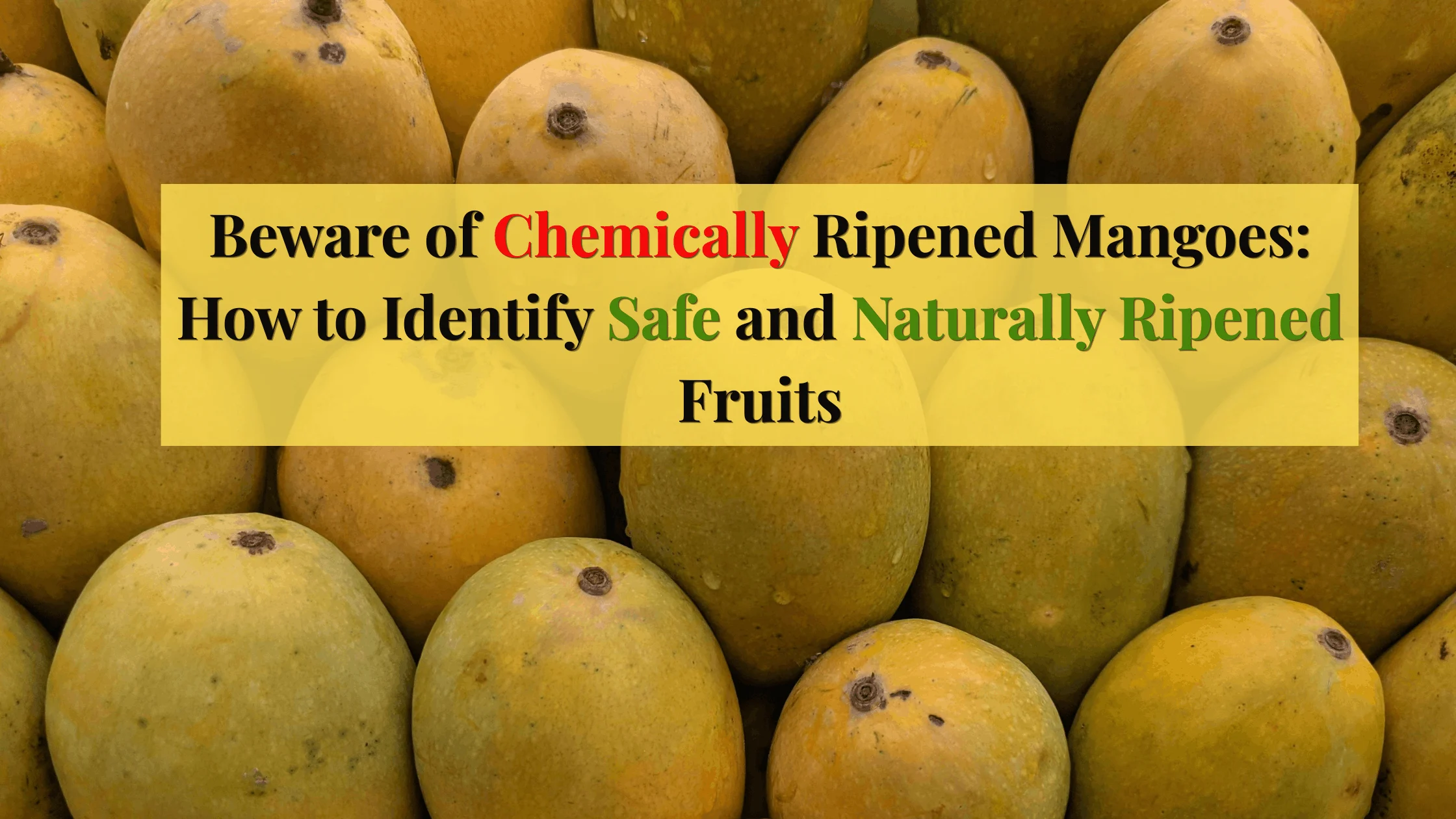
Beware of Chemically Ripened Mangoes: How to Identify Safe and Naturally Ripened Fruits
Mango Season Is Here—But Are Your Mangoes Safe?
Nothing defines an Indian summer quite like a juicy, sweet mango. From the rich flavor of Dasheri to Langra they are a cherished part of our culture and seasonal traditions.
However, with growing demand and pressure to supply fruits quickly to markets across the country, many mangoes are artificially ripened using harmful chemicals. While these mangoes may appear attractive and ready to eat, they often fail to deliver the authentic taste, nutritional value, and safety that consumers expect.
At KaashtKart, we believe every consumer deserves access to naturally ripened, farm-fresh produce sourced directly from trusted growers. As a farmer-first agri e-commerce platform, our mission is to connect consumers with authentic agricultural products while promoting transparency and quality throughout the supply chain.
Let's understand the risks associated with chemically ripened mangoes and learn how to identify safe, naturally ripened fruits.
What Are Chemically Ripened Mangoes?
Mangoes naturally ripen over time through biological processes that develop their sweetness, aroma, texture, and nutritional content. However, to accelerate this process and meet market demand, some traders use artificial ripening agents.
One of the most commonly misused chemicals is calcium carbide, which releases acetylene gas that mimics natural ripening hormones. Although the use of calcium carbide for fruit ripening is prohibited in many regions due to health concerns, its misuse continues in some parts of the supply chain.
The result is a fruit that may look ripe on the outside but often remains underdeveloped in flavor, texture, and nutritional quality.
Why Should Consumers Be Concerned?
Artificially ripened mangoes can affect both the eating experience and consumer confidence.
Poor Taste and Texture
Naturally ripened mangoes gradually develop sugars and complex flavors. Chemically ripened fruits often taste bland, have uneven sweetness, and may feel fibrous or hard from the inside.
Reduced Nutritional Quality
The natural ripening process allows fruits to fully develop important nutrients, antioxidants, and vitamins. Forced ripening may interrupt this process, affecting overall fruit quality.
Potential Health Risks
Consumption of fruits exposed to unsafe ripening chemicals may lead to digestive discomfort, headaches, nausea, or irritation in sensitive individuals. This is one reason consumers are becoming increasingly cautious about where they source their fruits.
How to Identify Chemically Ripened Mangoes
While it may not always be easy to distinguish chemically ripened mangoes, there are several signs that can help.
1. Unnaturally Uniform Color
If every mango appears perfectly yellow with little variation, it may have been artificially ripened. Naturally ripened mangoes usually display a mix of green, yellow, and golden shades.
2. Lack of Natural Aroma
A ripe mango should have a pleasant fruity fragrance, especially around the stem. If a mango looks ripe but lacks aroma, it may have been artificially ripened.
3. Soft Outside, Hard Inside
One common characteristic of chemically ripened mangoes is uneven ripening. The fruit may feel soft externally but remain hard or under-ripe internally.
4. Pale or Uneven Flesh
When cut open, naturally ripened mangoes typically show vibrant, evenly colored flesh. Artificially ripened fruits may appear pale or unevenly ripened from the inside.
5. Short Shelf Life
Chemically ripened mangoes often spoil quickly and may develop black spots or internal deterioration within a short period.
How Naturally Ripened Mangoes Are Different
The difference becomes obvious once you taste them.
Naturally ripened mangoes offer:
✅ Richer sweetness and authentic flavor
✅ Better aroma and texture
✅ Enhanced nutritional value
✅ More balanced ripening
✅ Greater freshness and shelf life
Most importantly, naturally ripened mangoes provide the genuine mango experience that consumers look forward to every summer.
Tips for Buying Safe Mangoes
Buy From Trusted Sources
Always purchase mangoes from reliable growers, farmer collectives, or transparent agricultural platforms that prioritize quality and traceability.
Ask About Ripening Methods
Responsible sellers are open about their harvesting and ripening practices.
Inspect the Fruit Carefully
Look for natural color variation, fresh fragrance, and healthy skin texture.
Wash Before Consumption
Always wash mangoes thoroughly under running water before eating.
Choose Farmer-Sourced Produce
Direct sourcing often reduces unnecessary handling and ensures greater transparency in the supply chain.
KaashtKart's Commitment to Authentic Mangoes
At KaashtKart, we work closely with trusted growers across India's mango-producing regions to bring consumers authentic, high-quality produce directly from farms.
Our platform focuses on:
🌱 Direct farmer sourcing
🥭 Naturally ripened mangoes
✅ Trusted and verified growers
🚚 Pan-India delivery
📦 Farm-to-home freshness
🔍 Transparent sourcing practices
Whether you're looking for Dasheri, Langra, Desi, Bombay Green, or other seasonal varieties, our goal is simple—to help consumers enjoy real mangoes with confidence.
We believe that every mango should reflect the hard work of farmers and the true taste of nature, not shortcuts taken in the supply chain.
Final Thoughts
Mango season is meant to be enjoyed, but consumers must remain informed about the fruits they bring home. Chemically ripened mangoes may look appealing, but appearance alone should never be the measure of quality.
By learning to identify naturally ripened fruits and choosing trusted sources, consumers can protect their families while enjoying the authentic flavor and nutritional benefits that mangoes are known for.
This summer, choose quality over appearance. Choose transparency over uncertainty. Choose mangoes that are grown with care and delivered with trust.
Because at KaashtKart, we believe every mango tells a story—from the farmer who nurtured it to the family that enjoys it at home.